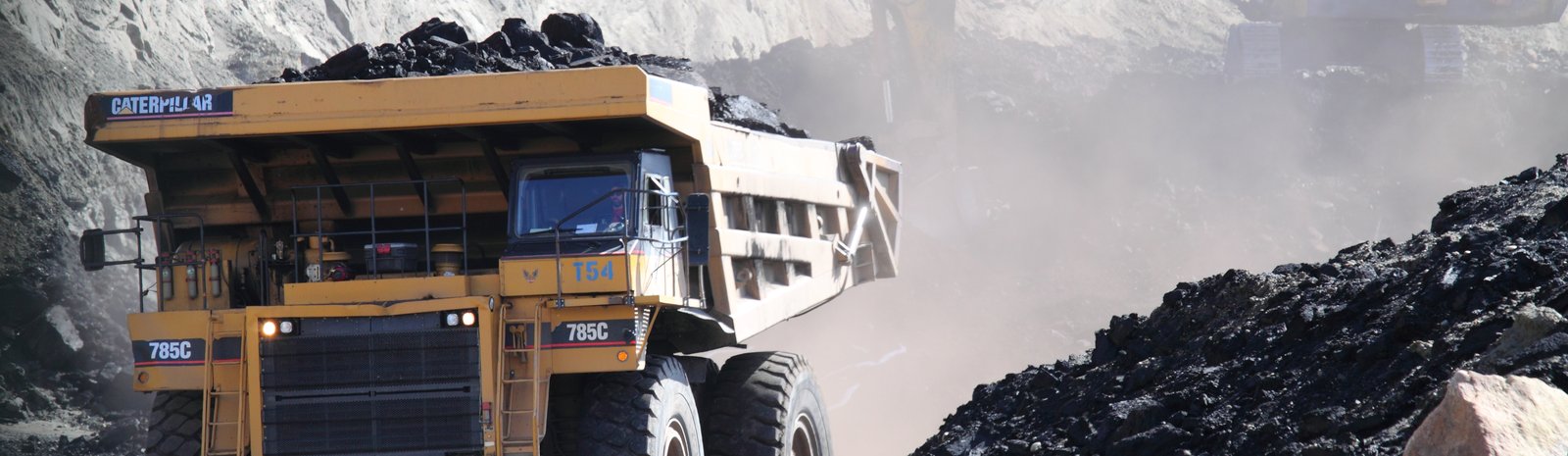
Every form of energy development impacts both people and the environment. However, coal creates greater negative impacts than almost any other energy source, whether fossil or renewable. These impacts take place throughout the lifecycle of coal, from mining to post-combustion waste disposal. The true costs of many of these impacts are not borne by mining companies but instead by taxpayers and future generations.
Coal mining/transportation
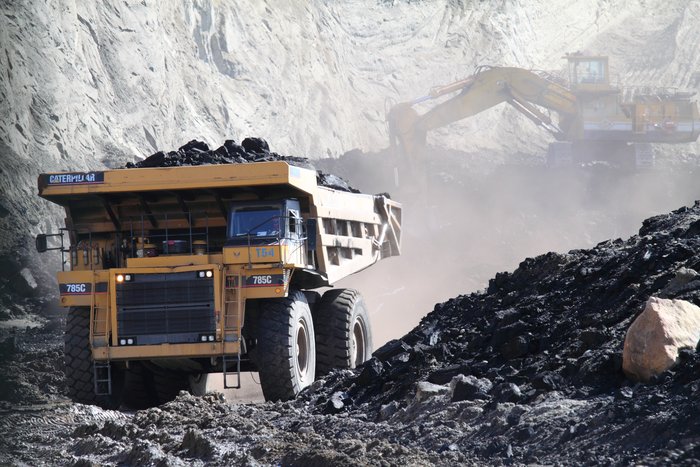
Coal mining of any kind can release large amounts of methane, a potent greenhouse gas, from coal seams where it has accumulated. In addition, coal mining can contribute to acid mine drainage in some areas.
Mining and transporting coal requires more energy than either oil or natural gas production. Solid rock must be shattered to get to the coal, and fluids are more easily transported than solid coal.
The physical footprint of coal mining, in particular strip mining and mountaintop removal, is also much larger. Theoretically these impacts to the immediate area can be mitigated with reclamation, but the success of coal mining reclamation is a topic of much debate.
Coal stockpiles run the risk of spontaneous combustion and windblown coal dust can pollute surrounding areas.
Coal combustion
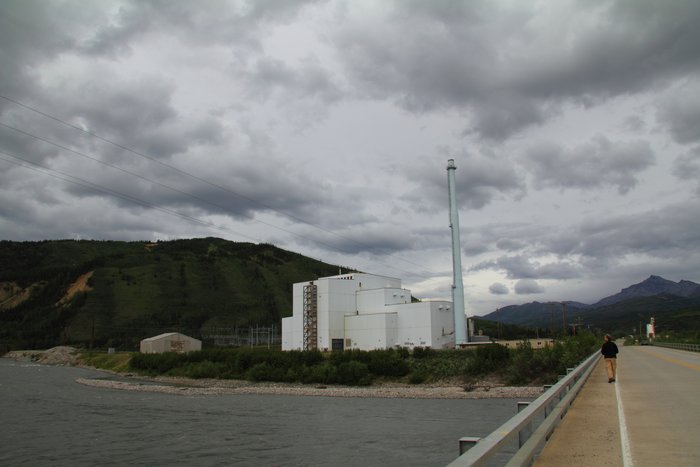
The combustion of coal produces a variety of pollutants, which depending on the type of coal plant can be either released into the air, or captured and stored elsewhere.
Gases released from coal combustion include acid-rain causing sulfur dioxide and smog-inducing nitrous oxide.
Coal combustion releases large amounts of carbon dioxide, the critical driver behind both climate change and ocean acidification. Per unit of energy produced, coal releases more carbon dioxide than oil and much more than natural gas.
In addition, only coal combustion releases toxic mercury and soot particles into the atmosphere.
Many of the coal combustion wastes that are not released (including arsenic, lead, and others) need to be disposed of as hazardous waste, totaling over 120 million tons/year in the US. While some of this waste is used in industrial processes, much of it continues to accumulate each year, and will need to be stored “in perpetuity”.
One recent attempt to quantify some of the future impacts of coal stated that:
“If future extraction uses current technology and practice, between now and 2020 to meet the business-as-usual demand projected in the 2007 Energy Information Administration ’s Annual Energy Outlook, the U.S. will incur cumulative damages of 300 billion tonnes of acid in our waters, disrupt 379000 km2 of land, erode 11 thousand tonnes of soil, emit 10 million tonnes of PM, 5 million tonnes of NOx, 5 million tonnes of SO2, 17 thousand tonnes of CO, and 561 million tonnes of CO2 equivalent by 2020.”
(from a 2010 Viewpoint article in Environmental Science and Technology)
It is possible to mitigate many of these impacts, and in fact regulations such as the Clean Air Act limit the release of pollutants such as sulfur dioxide and nitrous oxides. Similar legislation exists for mercury, and carbon dioxide is probably not far behind in the form of a carbon cap and trade bill. However, the removal of each additional pollutant adds to the cost and reduces the efficiency of the plant (by using more energy). Plus, in some cases, pollutants scrubbed from the air end up in the solid or liquid waste, merely transferring the problem to another disposal site. A few coal-fired power plants with low levels of sulfur dioxide, nitrous oxide, and mercury emissions already exist but to date no one has built a plant with low levels of carbon dioxide emissions (using carbon capture techniques).
Further Reading
Created: Jan. 19, 2018