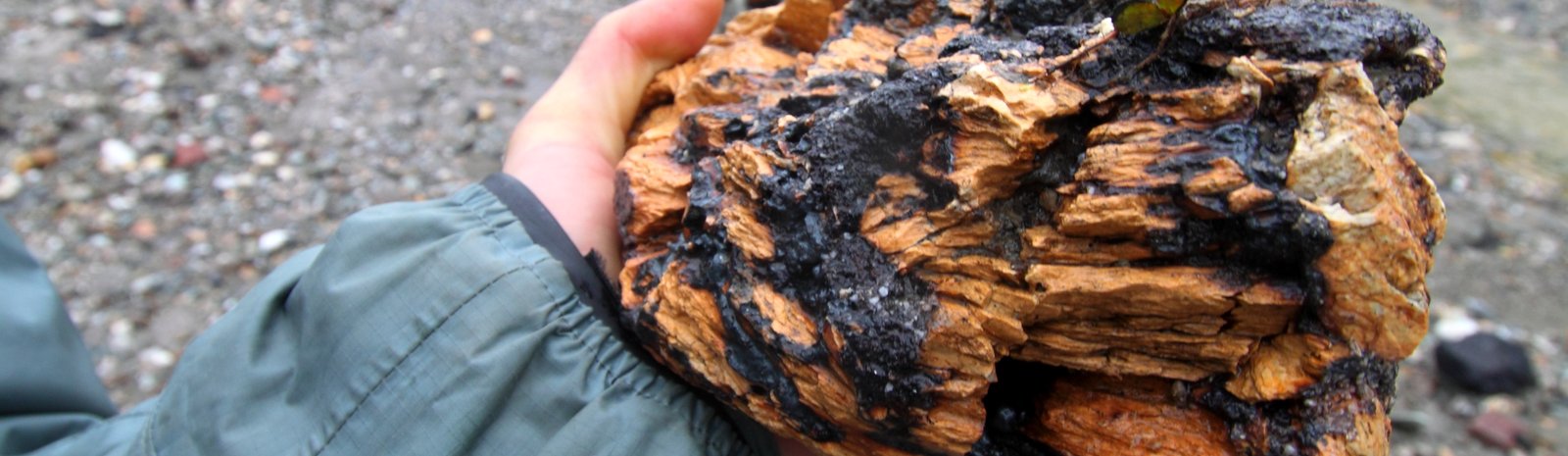
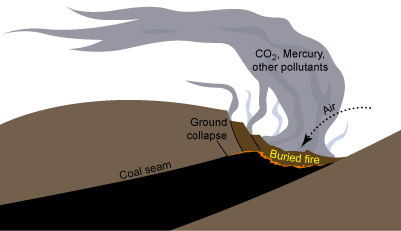
Because coal is so readily combustible, it is possible for coal deposits to catch fire while still in the ground. These coal seam fires are a large problem throughout the world, with hundreds of known fires in the US alone. The most famous of these is the Centralia coal seam fire in Pennsylvania which has been burning since 1962 and has resulted in the evacuation and abandonment of an entire town nearby. Some coal seam fires are mining related, while others are started by natural causes. These fires are a considerable environmental problem. In addition to consuming a non-renewable resource, they produce intense local pollution, emit significant amounts of greenhouse gases, and are often responsible for starting wildfires.
_
We don’t need more science… we need more bulldozers
By some estimates coal seam fires worldwide are responsible for 40 tons of mercury pollution and 3% of annual global CO2 emissions. Coal fires are notoriously difficult to put out, and can burn continuously for centuries, or even millennia. Some projects are underway to harness the energy produced by coal seam fires but nothing has been developed on a large scale.
Coal Fires in Alaska
In Alaska there are several known coal seam fires, including fires near Usibelli Coal Mine, in Sutton near the former Jonesville coal mine site and the Wishbone Hill mine, and a burning seam in the Nenana coal fields. This last coal seam fire was determined to be the cause of the Rex Creek wildfires near Anderson during August 2009. The coal seam fires near Sutton were the target of a recent two year, multi-million dollar cleanup operation conducted by the Alaska Department of Natural Resources (DNR) using federal mine reclamation funds. Putting out uncontrolled coal fires has consumed over 40% of coal mine reclamation costs in Alaska to date and represents around 11% of estimated future reclamation costs. A new pair of coal seam fires near Healy called the “Louise Creek Fire” were burning through the summer of 2013.
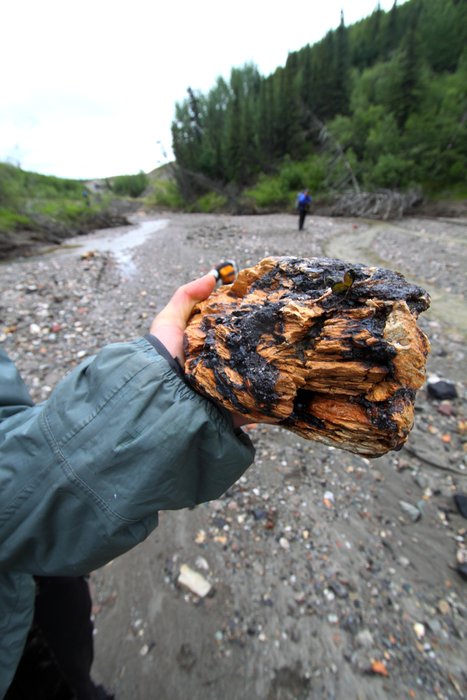
In addition to natural coal deposits, it is also possible for manmade accumulations of coal to catch fire. This can be the case with both waste coal deposits or in coal storage fires such as those that have sometimes plagued coal stockpiles at the Seward Coal Terminal.
Uncontrolled coal seam fires such as those described here should not be confused with the intentional and controlled ignition of coal in the process of underground coal gasification.
Further Reading
Created: Jan. 19, 2018