Alaska Coal Country
Last modified: 12th August 2019
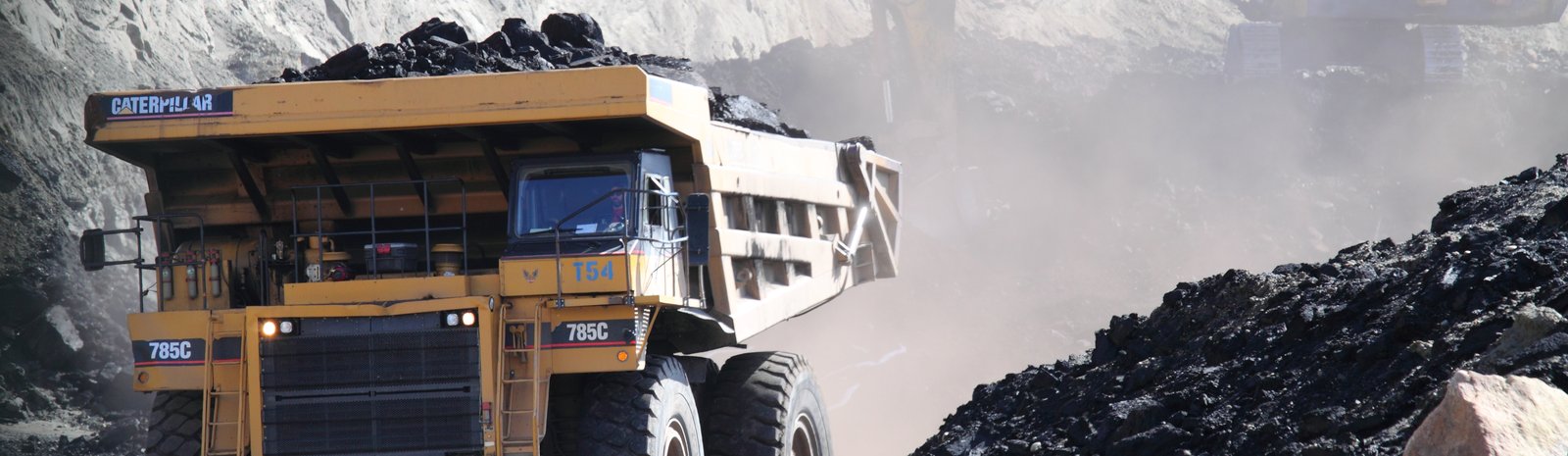
2010 has been our year of coal. Through winter and spring, we wrote articles full of esoteric details on all the coal projects and prospects in Alaska. Alaska might have as much as 10% of the world’s coal - most unexplored and unmined, deep beneath the wilderness in remote parts of the state. But interest in developing it is growing. From the footprint of mining to the effects of global warming, coal is higher impact than almost any other form of energy. In my opinion, an increased reliance on coal is one of the darker paths we might walk down as a state, and as a planet.
We wanted a fuller picture than we could get from interenet research. By the time summer rolled around, it was time for some Ground Truth. So I strapped our toddler on my back, Hig shouldered our stuff, and we started walking.

Beaver pond at Chuitna
Chuitna
As the mosquitoes emerged in early June, we trekked across the patchwork of grassy meadows, beaver ponds, birch savannah, and wetlands that makes up the Chuitna Mine prospect. The coal remained invisible beneath our feet. In mining parlance, ours was a journey on the “overburden” - the stuff that sits on top of the stuff someone wants to mine.
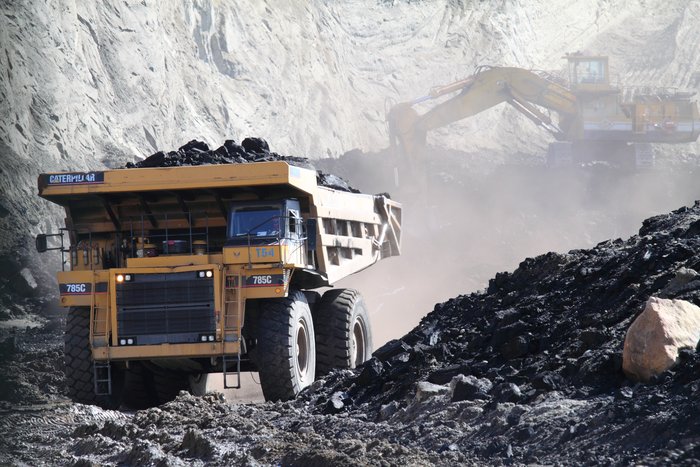
We watched machinery pull coal out of Two Bull Ridge mine during a tour after our trek.
Usibelli
Two weeks later, our feet crunched on shards of fractured coal, walking the roads of an abandoned mine. Near Usibelli’s Mines, coal was everywhere. Barren bluffs of grey and tan were shot through with stripes of gleaming back. Coal chunks, and cinders from natural coal fires, were scattered along the river beds. A just-fledging owl perched on a coal seam, watching us nervously.
Toddling Arctic Shores
The Chuitna area took us a little over a week to walk through. We spent five days circling Usibelli’s mines. And bouncing back and forth between home and these shorter journeys, we were preparing for the summer’s major expedition - a month in the wilderness of the Northwest Arctic.
Most of Alaska’s 4 trillion tons of coal can be found beneath the tundra in the northwest corner of the state - under the foothills of the Brooks Range, and on the coast of the Beaufort and Chukchi Seas. We thought we might find seams of coal beneath the screaming bird rookeries on the cliffs of Cape Lisburne. What we found instead was much more interesting - a story all its own.
Family Travels

Katmai-level bushwhack
This summer, we’ve learned the tricks for carrying enough food for 4 people in just one pack, for entertaining a toddler in a packraft, and for maneuvering through alder thickets without waking the sleeping kid. And that trekking while pregnant may be slow, but much more possible than it might at first seem.
Check out the ADN article written just before our Arctic trip and visit the Toddling Arctic Shores page for more on that expedition.
Read about all these journeys (and more to come) on our blog.
Created: Jan. 19, 2018