Renewable Energy in Alaska
Last modified: 12th August 2019
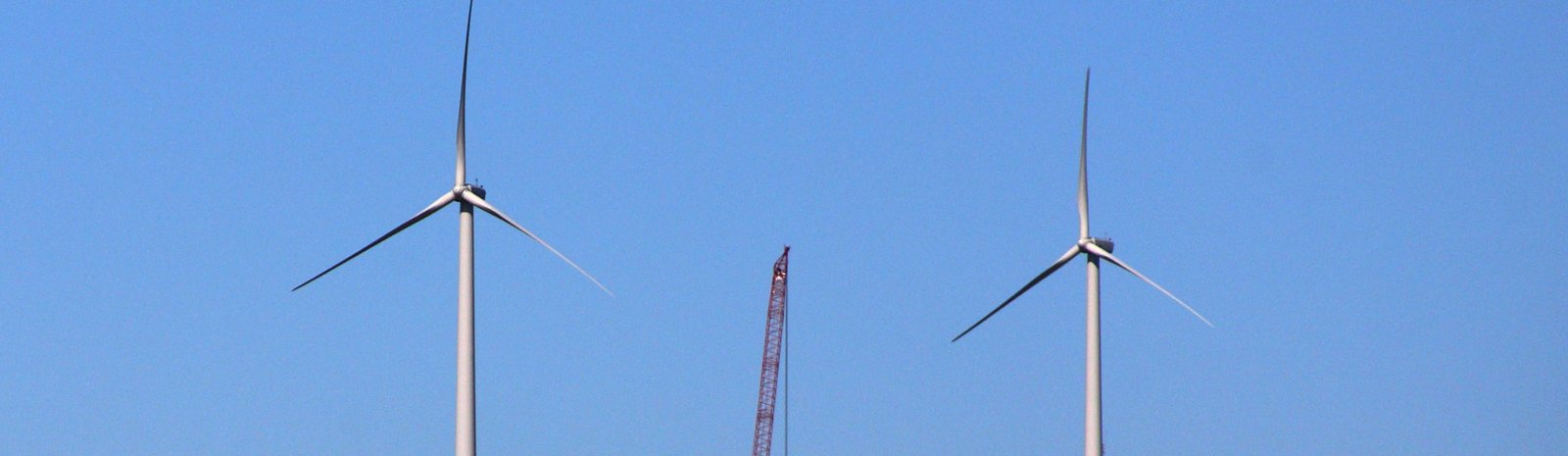
Alaska is rich in renewable energy resources. Nearly a quarter of Alaska’s energy is currently supplied by hydropower, small scale wind farms have been built in numerous villages, and two utility-scale wind projects were under construction in 2012. There is growing interest in developing the state’s potential renewable resources, including wind, hydro, geothermal, tidal, wave, biomass/biofuels, and solar energy. With a relatively small population (hence lower energy needs), and a wide array of potential energy sources, Alaska is well-positioned to transition to renewable energy sources.
Currently, most of Alaska’s electricity comes from natural gas, followed by hydropower, with smaller components from coal, oil, and other renewable sources. Of these, coal is the most polluting.
Energy generation (both renewable and fossil-fuel-based) presents a number of unique challenges in Alaska. The largest electricity grid in the state covers the “Railbelt”, which runs from Fairbanks to the tip of the Kenai Peninsula, and serves around 450,000 people through 6 separate utilities. Beyond that, the state houses more than 150 separated power grids, many serving a single small village. Distances between people and potential energy sources are sometimes large, and there are huge potential sources of “stranded” renewable energy (such as wind power in the Aleutians). On the other hand, energy demands on tiny disconnected grids can be filled with smaller and more experimental projects, and since renewable projects are competing with extremely expensive diesel energy, even high-cost renewables are economically competitive.
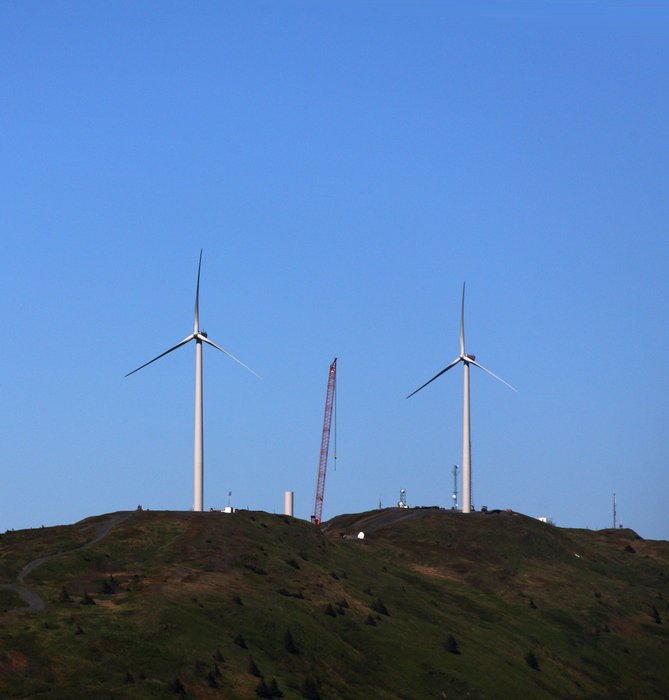
Wind
There are abundant wind resources in Alaska, particularly along the coastal regions of the state and in major passes. Wind power is a very promising resource both for small village power generation, as well as for large-scale projects like the 17.6 MW Fire Island project near Anchorage, or the 24 MW Eva Creek project near Healy. As of mid-2012, there were well over a dozen existing wind farms in Alaska and a similar number in the permitting process or under construction. Existing projects include Kotzebue, Wales, Kasigluk, Pillar Mountain and several villages in western Alaska managed by the Alaska Village Electrical Cooperative.
Most of the smaller wind projects in Alaska are wind-diesel hybrid systems where wind is used to displace the amount of diesel required by remote communities in the state. The US Department of Energy also publishes a guide for Alaskans entitled “Small Wind Electric Systems” which is aimed at homeowners and small businesses interested in installing a wind system.
Hydro
Alaska is rich in hydroelectric power potential, and hydro already provides almost one quarter of the electrical energy in the state, mostly in Southeast Alaska. In 2010 there were around 37 public hydroelectric projects providing power throughout the state, as well as a large number of private installations. Some of the most prominent existing hydroelectric projects in the state are the Bradley Lake project, the “Four-Dam-Pool” project, and the Eklutna project near Anchorage. Recently constructed hydroelectric facilities in Alaska include the river diversion Falls Creek project near Gustavus, and the Lake Dorothy project near Juneau. With rising oil prices there has been a significant increase in interest in developing new hydroelectric power facilities in the state, with the Alaska Energy Authority receiving dozens of grant applications for hydroelectric projects each year. Two particularly large proposals are the Chackachamna project on Cook Inlet and the Susitna project. Both of these would connect to the Railbelt power grid in the Anchorage area, and probably only one will be constructed (since they fill the same power need).
Hydroelectric power can be generated using a number of different systems
- Water drained from man-made dammed lakes
- “Lake-tap” systems where water is drained from the bottom of a natural lake
- River diversion systems where a portion of a river is diverted through a pipe to a powerhouse at a lower elevation
- “Run-of-the-river” or “damless hydro” systems with underwater turbines spun by naturally flowing river water
Most of the new proposals in Alaska are run-of-the-river systems which avoid many of the environmental considerations of dam-building including ecosystem damage, sediment buildup, and interference with fish migrations. However, these systems do not store energy for use during low water or peak electricity demand. An example of an already established run-of-the-river system in Alaska is the Tazimina project near Lake Iliamna, which provides power to several small villages in the area.
Geothermal
Alaska possesses a large number of potential geothermal energy sites, principally located in the Interior, in the southeast portion of the state, in the area around the Wrangell mountains and throughout the Alaska Peninsula. While electricity generation is an attractive option with geothermal resources, the use of these resources for direct heat may be even more important in Alaska. Chena Hot Springs Resort is the most successful example of the use of geothermal energy within the state where the energy is used to generate electricity (displacing 150,000 gallons of diesel per year), to heat buildings, outdoor ponds, swimming pools and even to provide heat and carbon dioxide to greenhouses. A number of other geothermal projects have been proposed in the state, most prominently a large facility on Mt. Spurr (near the Chakachamna hydroelectric proposal) to provide power to the Railbelt grid. The state also sold geothermal leases on Augustine Island in 2013. In late 2013, exploratory drilling began on a geothermal project to power Nome.
Tidal
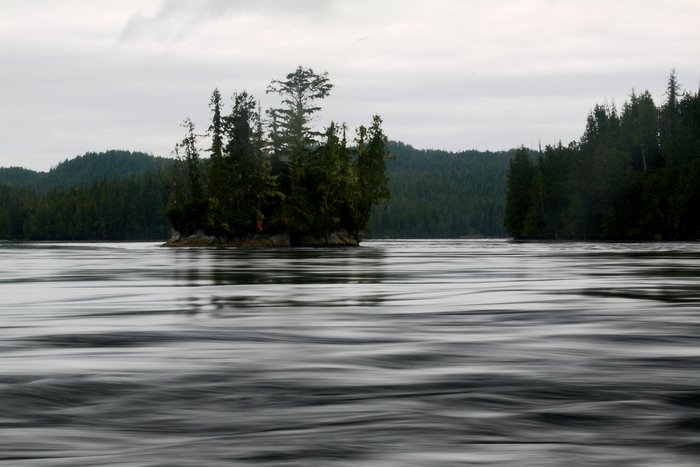
Cook Inlet in Alaska is home to most of the state’s population, and has one of the largest tidal ranges in the world, making it an ideal location for harnessing tidal power. Alaska possesses 90% of the tidal power potential in the US. This gives the state the opportunity to be at the forefront of technology development, but means there is no off-the-shelf solution to put in place. The Federal Energy Regulatory Commission (FERC) has issued several preliminary tidal energy project permits in Alaska, see our article on “Tidal Power in Cook Inlet” for more details.
Wave
Alaska receives massive inputs of wave energy, Southern Alaska alone is estimated to receive 300 times the total energy needs of the state annually. However, the technology to develop wave energy potential on a large scale is still in early stages. A second problem in Alaska is that the largest waves are on the outer coasts, while the major population centers are in inlets and bays, so additional transmission infrastructure would be required to develop wave energy on a large scale. While no large-scale studies have been undertaken in Alaska to assess the potential of this resource, the community of Yakutat is moving forward with a pilot wave project.
Biomass/Biofuels
Biomass refers to both “primary biomass” such as wood as well as “waste biomass” which in Alaska includes sawmill wastes, fish byproducts, and municipal waste.
While wood is no longer used by most large electricity and heating utilities, it is still a very important source of residential heating in many locations. In addition, wood pellets are becoming increasingly popular, both in Alaska and worldwide. The first large-scale wood pellet plant in Alaska was recently completed near Fairbanks. In addition, the city of Craig has recently installed a sawmill-waste fired boiler which will heat a variety of city buildings. Over 40 projects of this nature are being considered around Alaska, both for economic and environmental reasons.
Fish oil and other fish byproducts are used in some processing facilities as generator fuel, but have limited applicability to other locations. Similarly, municipal wastes are used for energy generation in some locations (e.g. Eielson Air Force Base) but this cannot provide an adequate amount of energy on its own.
Biodiesel or bio-ethanol is unlikely to be produced in large quantities in Alaska. This would require growing popular biofuel crops such as corn or soybeans, neither of which is currently produced in the state (or practical to grow in our northern climate). However, for years there have been small programs in Anchorage, Fairbanks, and Juneau to reuse waste cooking oil as biodiesel. A larger (250,000 gallons per year) facility was completed in Anchorage in 2010, and Alaska Waste will use this biodiesel to help power their vehicle fleet.
Solar
Solar power is unlikely to make up a large percentage of commercial energy generation in Alaska due to a combination of high capital costs and low amounts of sunshine in the winter (when energy demand is highest). However, the use of “passive solar” building techniques and of solar panels to reduce energy demand in the summer is likely to be important in many locations in the state. Solar power in Alaska is most important in small, off-grid communities or houses where it can be used to displace transported diesel fuel. The largest utility-connected solar power system in the state is a photovoltaicdiesel-battery system in Lime Village.
Created: Jan. 19, 2018