This experimental coal-fired power plant ran during a brief period from 1998 to 1999, but has been shut down ever since due to a legal dispute. Attempts were made in 2015/2016 to test and restart the equipment, the future of the plant is unknown
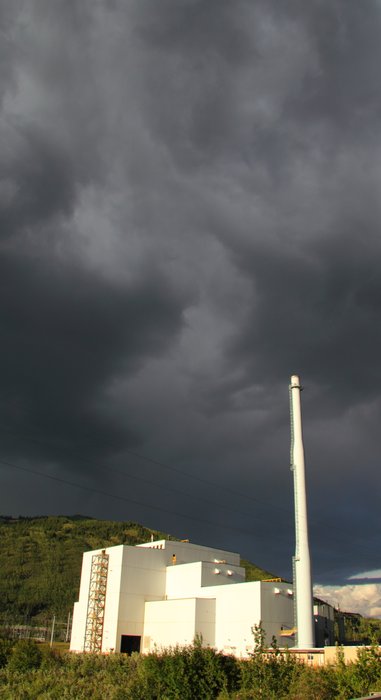
In 1989 the Department of Energy (DOE) chose Healy, Alaska as the site of an experimental plant known as the Healy Clean Coal Plant (HCCP) to burn “waste coal” as part of their “Clean Coal Technology Program”. Waste coal typically consists of either leftovers from coal processing or coal that would otherwise be considered refuse. Construction of the HCCP was paid for by the DOE ($117 million), the Alaska Legislature ($25 million), the Industrial Development and Export Authority (AIDEA, $126 million), as well as the Golden Valley Electric Association, serving the Fairbanks area (GVEA, $9 million) and Usibelli Coal Mine Inc. ($3 million). The 50 megawatt plant, located only a few miles from Denali National Park, was constructed from 1995-1997 and began producing small amounts of electricity from 1998-1999 using a then-novel multistage burning process to reduce gaseous emissions.
All of the coal to be burned at HCCP would come from the nearby Usibelli Coal Mine. While this plant met all existing emission regulations in 1999, there have been many technological and regulatory advances since then, and this plant would now be considered no cleaner than a conventional coal-fired plant.
The plant was shut down in 2000 in the wake of a legal dispute between AIDEA and GVEA. While the DOE and AIDEA concluded that the testing phase was a success, GVEA expressed concerns about the validity of the tests. In particular, they raised concerns about the number of personnel on site during the testing phase and the potentially higher-than-average quality of coal used during the tests. In addition, GVEA was concerned that, due to the unique nature of the plant and the presence of experimental technology, the frequent failures of the plant would continue. The plant went offline almost 80 times during the first year of operation, resulting in significant power fluctuations and outages.
In January 2009, GVEA agreed to purchase and takeover operation of the plant and anticipated re-opening the plant by 2010-2011. When this deal was being constructed, the Homer Electric Association (HEA) had agreed in principle to buy 50% of the power produced by HCCP starting in 2014. However, in May 2009 the HEA decided to abandon all efforts relating to HCCP, due to price concerns and member opposition.
Current Status
In Summer 2010 GVEA passed a change to their bylaws removing the debt ceiling which was preventing the utility from borrowing enough money to remodel the plant. In August 2011, the Alaska Department of Conservation (DEC) applied for draft permits to re-open the plant. The first required air-quality permit was issued in February 2012. In March 2012, the EPA air permit was challenged in court by various citizen groups.
In October 2012, GVEA, AIDEA and EPA agreed to consent decree to resolve the Clean Air Act requirements for a new PSD permit. Specifically, GVEA and AIDEA have agreed to invest approximately $40 million in pollution control technology to further protect public health and resolve potential violations of the CAA. The settlement also required that GVEA spend $250,000 on environmental mitigation projects and pay a civil penalty of $115,000. The Rural Utility Service prepared a supplemental Environmental Impact Statement in April 2013, addressing the restart of HCCP. GVEA has an agreement with AIDEA to purchase HCCP. The sale date is not fixed, but the cooperative anticipates taking possession of the plant before the end of 2013. GVEA intended to restart the facility 18-24 months after purchase of the facility from AIDEA, but by early 2017 some equipment had been tested in 2015/2016 and plans were still up in the air.
Created: Jan. 19, 2018